 A loan officer does much more than collect documents and submit applications. One of their most important roles is helping you understand your options in a way that makes sense for your situation. Mortgages are not one size that fits all, and the differences between loan types can impact your finances for years.
A good loan officer explains how different programs work, what your payments could look like, and how each option aligns with your goals. This guidance helps you make informed decisions instead of guessing or relying on incomplete information.
They Match You With the Right Loan
Choosing the right loan is one of the most important parts of the home buying process. A loan officer looks at your income, credit profile, debt, and long-term plans to recommend the best fit. This might involve comparing fixed rate loans with adjustable options or identifying programs that you may not be aware of. The goal is to find a loan structure that supports your financial stability, not just one that gets you approved. The wrong choice can cost you more over time, so having expert guidance matters.
They Guide You Through the Approval Process
Once your application is submitted, your loan moves into underwriting, which is a detailed review of your financial information. This stage can feel overwhelming, especially when additional documents are requested. Your loan officer acts as your guide during this process, helping you understand what is needed and why. They also help you respond quickly and accurately, which keeps everything moving forward. Without this support, small misunderstandings can turn into delays.
They Help Solve Problems When They Arise
It is common for unexpected issues to come up during a mortgage process. Changes in credit, questions about income, or appraisal concerns can all create challenges. A strong loan officer knows how to navigate these situations and find solutions. Instead of letting problems stall the process, they work to keep things on track so your purchase can continue moving forward.
They Keep Everyone on the Same Page
A loan officer is also responsible for coordinating with multiple parties involved in your transaction. This includes your real estate agent, the underwriter, and sometimes the seller s side. Clear communication between these groups helps prevent confusion and keeps timelines aligned. When everyone is working together effectively, the process feels smoother and more predictable for you as the buyer.
Their Role Impacts Your Entire Experience
The loan process is one of the most critical parts of buying a home, and your loan officer plays a central role in how that experience feels. From the first conversation to closing day, they are helping guide decisions, solve issues, and keep everything organized. Choosing the right loan officer can make the difference between a stressful process and one that feels manageable and clear.
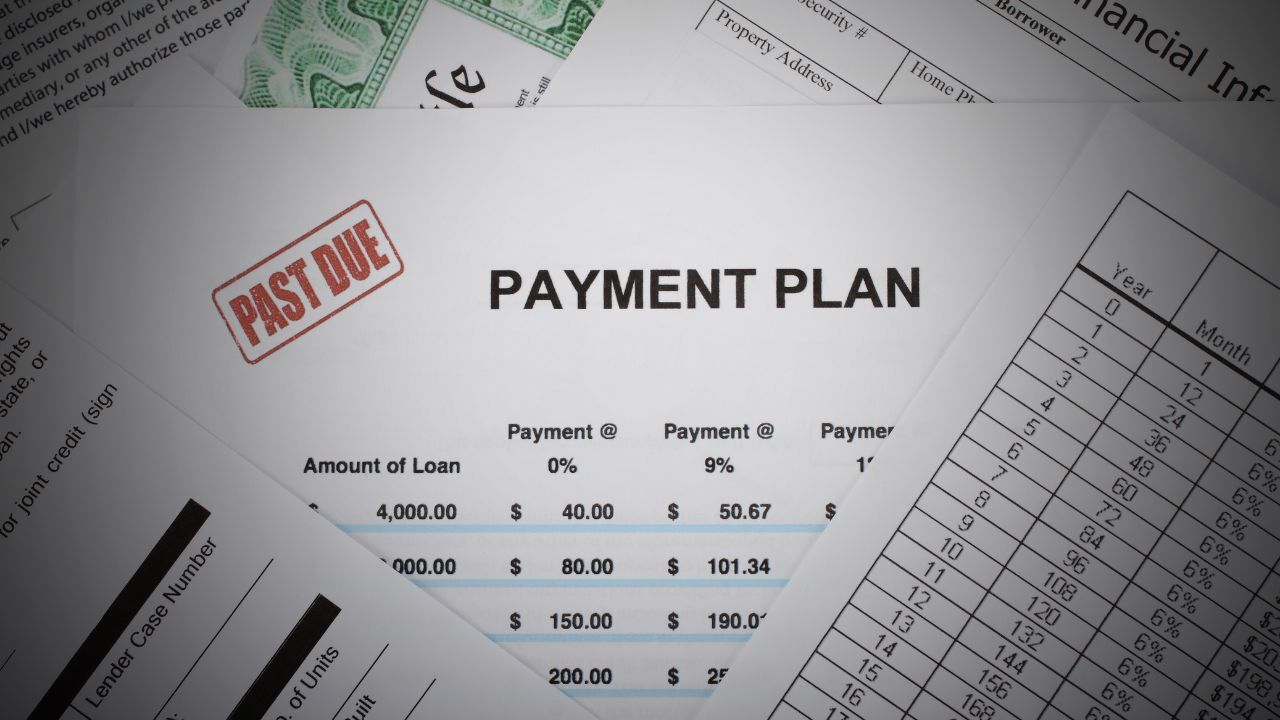 Missing a mortgage payment can feel scary, especially when you are working hard to manage your finances and stay on track. Life happens, and sometimes unexpected situations make it difficult to pay on time. The good news is that one missed payment does not mean you will lose your home. Understanding what happens behind the scenes, what lenders look for, and how quickly you should take action can help you stay calm, fix the issue, and protect your credit.
