Envision Funding

We Close Loans Fast!

  • Home
  • About
    • About Us
    • Privacy Policy
  • Blog
  • Resources
    • First Time Home Buyer Tips
    • First Time Home Seller Tips
    • Closing Costs
    • Home Appraisal
    • Home Inspection
    • Loan Checklist
    • Loan Process
    • Loan Programs
    • Mortgage FAQ
    • Mortgage Glossary
    • Debt Solutions
  • Applications
    • Apply Now Short Form
    • Business Funding Full Application
    • Broker Registration
    • Real Estate Lending Quick Application
  • Loan Programs
    • Business Loans
    • Commercial Loans
  • Contact

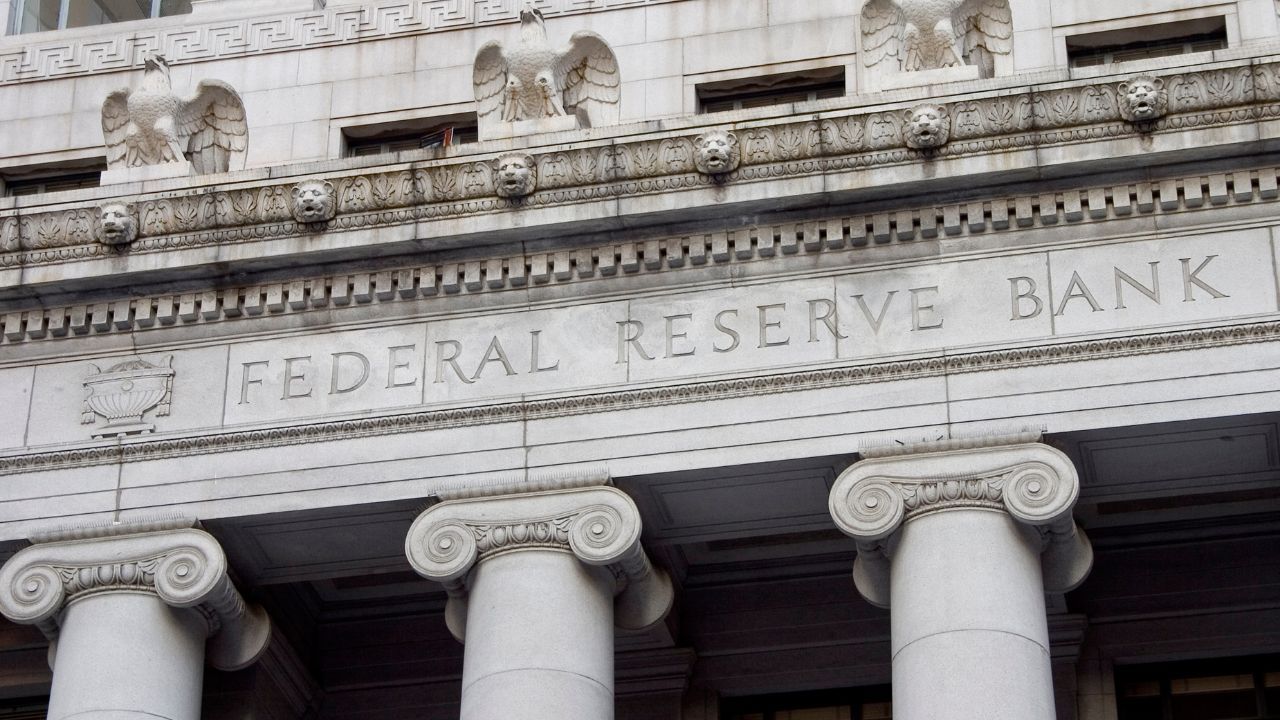
Understanding the Role of the Federal Reserve in Mortgage Rates

April 4, 2025 by Regine Lane

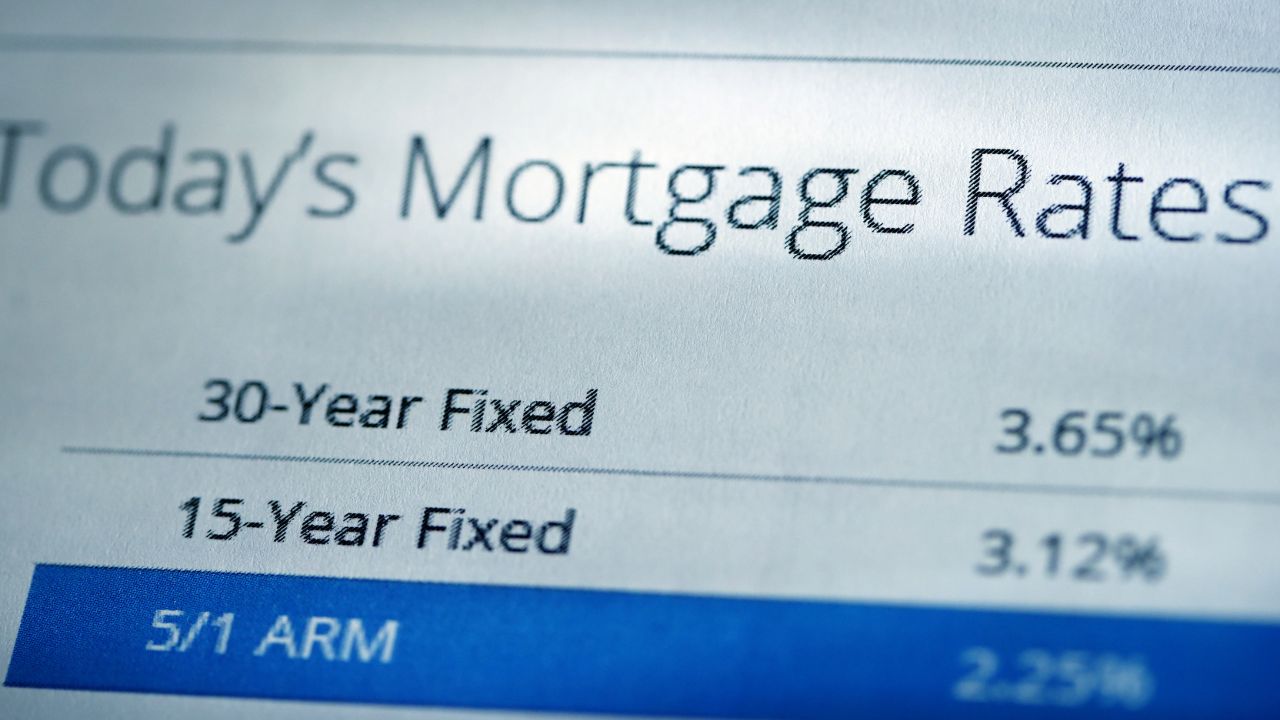
When you’re thinking about buying a home, you may hear a lot about mortgage rates going up or down. But have you ever wondered what causes these changes? One of the biggest influences on mortgage rates is the Federal Reserve, often called “the Fed.” While the Fed doesn’t set mortgage rates directly, its policies play a major role in how much you’ll pay for your home loan. Let’s break it down in simple terms:

What is the Federal Reserve?
The Federal Reserve is the central bank of the United States. Its main job is to keep the economy stable by managing inflation, employment, and interest rates. Think of the Fed as the “guardian” of the economy, adjusting financial policies to keep things running smoothly.

How the Fed Influences Mortgage Rates
The Fed doesn’t set mortgage rates directly. Instead, it controls something called the federal funds rate, which is the interest rate banks charge each other to borrow money overnight. Changes in this rate have a ripple effect on other interest rates, including those for mortgages.

Here’s how it works:

  • When the Fed raises rates – Borrowing money becomes more expensive for banks, and they pass that cost onto consumers in the form of higher mortgage rates.
  • When the Fed lowers rates – Borrowing becomes cheaper, and mortgage rates often decrease, making it more affordable to buy a home.

Why Does the Fed Raise or Lower Rates?
The Fed adjusts rates based on the overall health of the economy.

  • If inflation is high – The Fed raises interest rates to slow down spending and borrowing. This helps bring inflation under control but can make mortgage rates higher.
  • If the economy is struggling – The Fed lowers rates to encourage borrowing and spending, which can lead to lower mortgage rates and make homeownership more affordable.

How Fed Decisions Affect Homebuyers
Since mortgage rates influence your monthly payments, even a small increase can mean paying thousands more over the life of your loan. Let’s look at an example:

  • A $300,000 loan at 3% interest – Monthly payment: approximately $1,265
  • A $300,000 loan at 6% interest – Monthly payment: approximately $1,798

That’s a significant difference. Keeping an eye on Fed rate changes can help you decide when to lock in a mortgage rate.

Tips for Homebuyers in a Changing Rate Environment

  • Get Pre-Approved Early – Locking in a rate when they’re low can save you money.
  • Consider Adjustable-Rate Mortgages (ARMs) – If rates are high, an ARM might offer lower initial payments.
  • Work on Your Credit Score – The better your credit, the better the rate you’ll qualify for.
  • Talk to a Mortgage Professional – An expert can help you navigate the market and choose the best loan for your situation.

While the Federal Reserve doesn’t directly control mortgage rates, its decisions have a significant impact on the housing market. Understanding how the Fed influences interest rates can help you make informed decisions when buying or refinancing a home.
Filed Under: Mortgage Rates Tagged With: Federal Reserve, Mortgage Advice, Mortgage Rates

How Mortgage Rates Affect Your Home Buying Power

January 17, 2025 by Regine Lane

Mortgage rates play a significant role in determining how much home you can afford. These rates influence the cost of borrowing money for your mortgage, which directly impacts your monthly payment and, ultimately, your home buying power.

The Impact of Mortgage Rates on Affordability

When mortgage rates are low, the cost of borrowing decreases. This means you can afford a larger loan or purchase a more expensive home without substantially increasing your monthly payment. For example, a lower rate might allow you to upgrade to a home with additional square footage, a better neighborhood, or extra features that would otherwise be out of reach.

On the other hand, when mortgage rates rise, your purchasing power decreases. Higher interest rates mean higher monthly payments, which may require you to adjust your budget or consider less expensive properties. Even a small increase in rates can significantly affect affordability. For instance, a 1% rise in rates could reduce the loan amount you qualify for by approximately 10%.

Timing is Key

Mortgage rates fluctuate based on various factors, including the economy, inflation, and Federal Reserve policies. While it’s impossible to predict the exact movements of rates, staying informed about trends can help you make smarter financial decisions.

Locking in a rate when they are favorable can save you thousands over the life of your loan. If rates are expected to rise, acting sooner rather than later could maximize your home buying power. Conversely, if rates are stable or expected to decrease, you might benefit from waiting or negotiating better terms.

The Value of Professional Guidance

Understanding mortgage rates and their implications can be overwhelming, but you don’t have to navigate it alone. A mortgage professional can:

  • Analyze market trends and provide insight into rate fluctuations.

  • Explain how different rates impact your monthly payment and loan costs.

  • Help you develop a strategy to secure the most advantageous terms for your situation.

Partnering with an experienced professional ensures you’re making informed decisions and taking full advantage of the opportunities available to you.

Tips to Maximize Your Buying Power

To make the most of your home buying journey, consider these strategies:

  1. Boost Your Credit Score: Lenders offer the best rates to borrowers with strong credit.

  2. Increase Your Down Payment: A larger down payment reduces the loan amount and can qualify you for better rates.

  3. Compare Lenders: Shopping around can reveal competitive offers and lower rates.

  4. Plan Strategically: Work with your mortgage professional to determine the best time to act based on market conditions.

Mortgage rates significantly influence how much home you can afford, making it essential to understand their impact. By staying informed, timing your purchase wisely, and working with a trusted mortgage professional, you can maximize your home buying power and achieve your homeownership goals.

Have questions about mortgage rates and how they affect your buying power? Contact us today to get personalized guidance and take the next step toward your dream home.

Filed Under: Home Buyer Tips Tagged With: Dream Home Goals, Home Buying Power, Mortgage Advice

  • « Previous Page
  • 1
  • …
  • 3
  • 4
  • 5
  • 6
  • 7
  • …
  • 10
  • Next Page »

Envision Funding
Private Money Lender
Call Today: 678-719-9669

Connect with Us!

Let’s Keep In Touch!

  • This field is for validation purposes and should be left unchanged.

Browse Articles by Category

The Latest Articles

  • How a Small Down Payment Can Still Lead to Homeownership
  • Should You Lock Your Interest Rate Right Away?
  • What Happens to Your Mortgage After Closing?
  • Why Shopping for a Mortgage Does Not Hurt Your Credit the Way You Think
nmlsconsumeraccess.org
Equal Housing Lender

Envision Funding Solutions, Real Estate Loans, Kennesaw, GA

Our Location

Envision Funding Solutions LLC
3104 Creekside Village Dr, Ste 507 Kennesaw, GA 30144

Copyright © 2026 · Powered by MySMARTblog

Copyright © 2026 · Genesis Sample Theme on Genesis Framework · WordPress · Log in