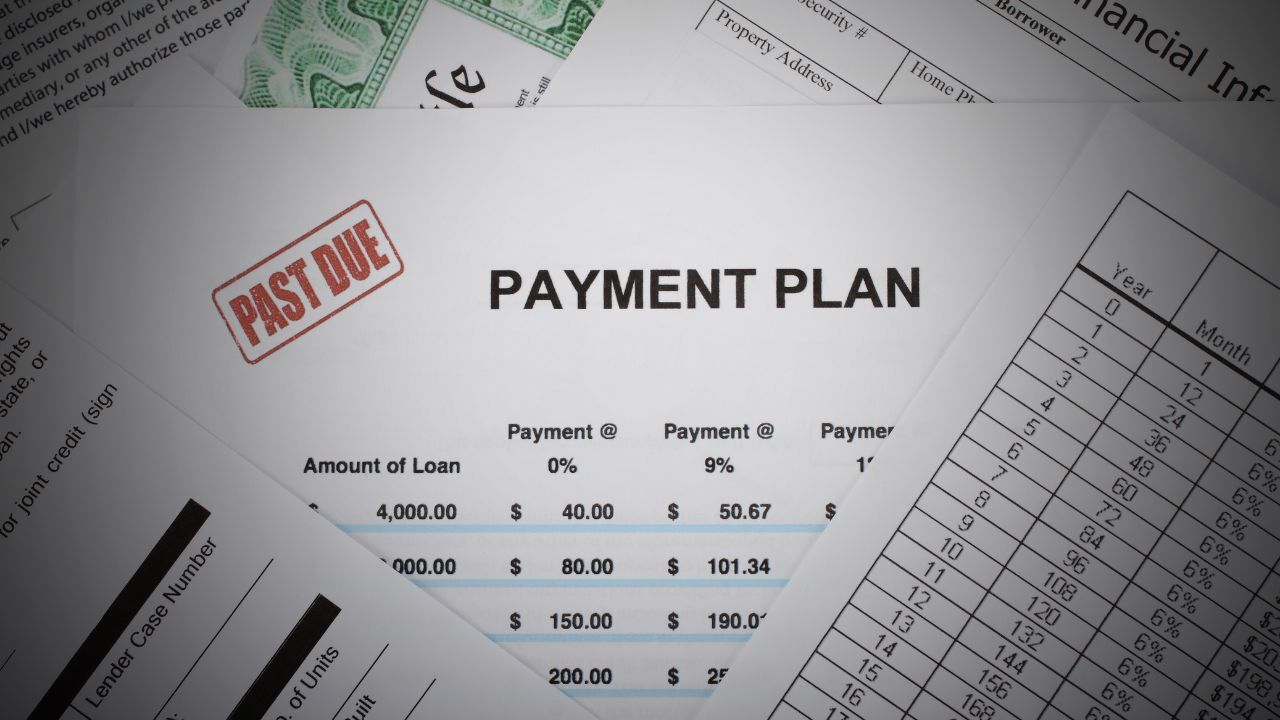
 Missing a mortgage payment can feel scary, especially when you are working hard to manage your finances and stay on track. Life happens, and sometimes unexpected situations make it difficult to pay on time. The good news is that one missed payment does not mean you will lose your home. Understanding what happens behind the scenes, what lenders look for, and how quickly you should take action can help you stay calm, fix the issue, and protect your credit.
Know When a Payment Is Considered Late
A mortgage payment is typically due on the first of the month, but most lenders offer a grace period. This period is usually ten to fifteen days before a late fee is charged. If you make a payment inside the grace window, it will not be reported to credit bureaus and will not affect your score. Once the grace period ends, you may see a late fee appear, but your credit is still not impacted unless the payment becomes thirty days late.
Understand When It Hits Your Credit Report
Mortgage lenders do not report missed payments to credit bureaus until the payment is thirty days past due. This means if you missed the due date but catch up before the thirty-day mark, your credit score stays safe. Once the payment becomes thirty days late, it is reported as a delinquency, and your score can take a noticeable drop. The longer the payment remains unpaid, the greater the impact.
See How Lenders Handle Extended Late Payments
If your payment becomes sixty or ninety days late, lenders begin taking more serious steps. You may receive warning notices, phone calls, or written reminders. At ninety days past due, many lenders begin the early stages of the default process. This does not mean foreclosure happens right away, but it does mean communication becomes more urgent. Staying in contact with your lender is the best way to prevent the situation from escalating.
Explore Options If You Cannot Catch Up Quickly
If you know you cannot make the payment soon, reach out to your lender immediately. Many lenders offer short-term assistance programs, payment plans, forbearance options, or loan modifications based on your situation. Asking for help early shows responsibility and gives your lender more flexibility to work with you. Silence is what creates the biggest risk, so communication is your strongest tool.
Protect Your Financial Future Moving Forward
One missed payment does not define your financial future. Once you catch up, continue making on-time payments, lower your balances on other accounts, and build a small savings buffer to reduce stress. Mortgage lenders look at long-term patterns, not single moments. A late payment can happen to anyone, and what matters most is how quickly you resolve it and how consistent you are afterward.
Missing a mortgage payment can feel overwhelming, but it does not have to derail your homeownership goals. With quick action, clear communication, and strong follow-up habits, you can protect your credit, keep your loan in good standing, and move forward with confidence.
 Many homeowners feel pressure to pay off their mortgage as quickly as possible but faster is not always better. In many real-life situations, directing your money toward other financial steps can offer more growth, more protection, and more flexibility. Understanding when early payoff is helpful and when it is not can give you greater confidence in your long-term plan.
