Envision Funding

We Close Loans Fast!

  • Home
  • About
    • About Us
    • Privacy Policy
  • Blog
  • Resources
    • First Time Home Buyer Tips
    • First Time Home Seller Tips
    • Closing Costs
    • Home Appraisal
    • Home Inspection
    • Loan Checklist
    • Loan Process
    • Loan Programs
    • Mortgage FAQ
    • Mortgage Glossary
    • Debt Solutions
  • Applications
    • Apply Now Short Form
    • Business Funding Full Application
    • Broker Registration
    • Real Estate Lending Quick Application
  • Loan Programs
    • Business Loans
    • Commercial Loans
  • Contact

Why Cash Reserves Can Matter As Much As Your Down Payment

June 10, 2026 by Regine Lane

Many buyers focus heavily on saving for the down payment. That is important, but it is not the only money that matters when buying a home. Cash reserves can be just as important because they help protect you after closing. A strong home purchase plan should include both the money needed to buy the home and the money needed to feel secure once you own it.

What Reserves Mean
Cash reserves are funds left over after your down payment and closing costs are paid. They may be in savings, checking, or other eligible accounts depending on the loan program. These funds show that you have a cushion beyond the transaction itself. They can also help you handle the first months of homeownership with more confidence.

Homeownership Comes With Surprises
Even a well-inspected home can come with unexpected costs. Appliances break, utilities may be higher than expected, furniture may be needed, and small repairs can add up quickly. Moving itself can also cost more than buyers expect. Having reserves can make those expenses less stressful.

A Bigger Down Payment Is Not Always Better
Some buyers want to put every available dollar into the down payment. That may lower the loan amount or monthly payment, but it can leave them with little cash afterward. In some cases, keeping more money in reserve may create a healthier financial position than using all available funds upfront.

Loan Programs May View Reserves Differently
Some mortgage programs require reserves, while others may not. Even when reserves are not required, they can still strengthen your overall comfort level. Your mortgage originator can help you compare scenarios with different down payment amounts and remaining cash after closing.

Confidence After Closing Matters
Buying a home should not leave you feeling financially empty. The goal is to get approved and close. The goal is to move in with enough stability to handle normal life. A good mortgage plan should account for your payment, your savings, and your ability to manage the unexpected.

Your down payment helps you buy the home. Your reserves help you keep breathing after you get the keys. Both deserve attention before you make an offer.

Filed Under: Mortgage Tips Tagged With: Down Payment, Home Buyer Education, Mortgage Tips

The Role of A Down Payment: How Much Should I Save?

January 16, 2026 by Regine Lane

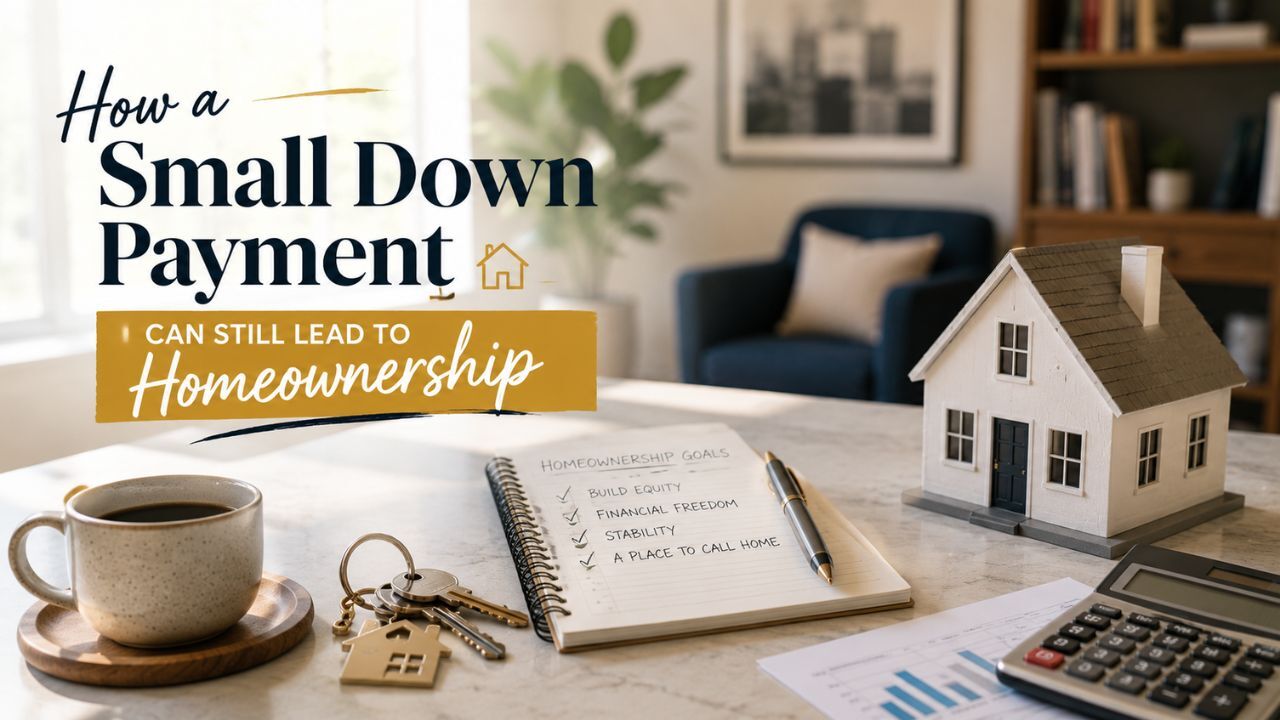
Buying a home, a car, or any significant investment often involves making a down payment. The down payment is a crucial part of the purchasing process, as it can impact your loan terms, interest rates, and monthly payments. But how much should you save for a down payment, and why is it so important?

Understanding Down Payments

A down payment is a portion of the purchase price that you pay upfront when buying a house, a car, or making a large investment. It’s a way to demonstrate your commitment to the purchase and reduce the risk for the lender or seller. Down payments are commonly associated with:

Homebuying: When purchasing a home, a down payment is typically required by mortgage lenders. The amount can vary but is often around 20% of the home’s purchase price.

Car purchases: Down payments for cars can also range, but they often hover around 10-20% of the vehicle’s price.

Large investments: In other scenarios, such as starting a business or investing in a big-ticket item, a down payment may be necessary to secure financing.

Importance of Down Payments

Lowering Monthly Payments: A larger down payment reduces the amount you need to finance, resulting in lower monthly payments. This can make your financial burden more manageable in the long run.

Qualifying for Loans: A substantial down payment can help you qualify for loans with more favorable terms and lower interest rates. Lenders often see a larger down payment as a sign of financial stability.

Building Equity: With a significant down payment, you’ll start building equity in your asset from day one. Equity is the portion of the property or asset you own, and it can grow over time, giving you more financial security.

How Much Should You Save for a Down Payment?

The ideal down payment amount can vary based on what you’re buying and your financial situation. Here are some general guidelines:

Homes: As mentioned earlier, a down payment of 20% is often recommended for purchasing a home. However, there are mortgage options that allow for lower down payments, such as FHA loans, which require as little as 3.5% down. The key is to balance a lower down payment with the added cost of private mortgage insurance (PMI) and potentially higher interest rates.

Cars: For buying a car, a down payment of 10-20% is a good range to aim for. This will help reduce the overall cost of the car loan and lower your monthly payments.

Large Investments: The down payment for investments can vary widely, so it’s essential to assess your specific financial goals and risks. In this case, consult with a financial advisor to determine the right amount.

How to Save for a Down Payment

Saving for a down payment may seem daunting, but with a clear plan, it’s achievable. Here are some steps to help you get started:

Create a Budget: Review your finances, set a budget, and identify areas where you can cut back on spending to save more.

Open a Dedicated Savings Account: Consider opening a separate savings account exclusively for your down payment fund. This will help you track your progress and keep the money out of sight and out of mind.

Automate Savings: Set up automatic transfers from your checking account to your down payment savings account. This ensures that you save consistently.

Increase Income: Explore opportunities to increase your income, such as taking on a part-time job or freelancing, to boost your savings rate.

Reduce Debt: Pay down high-interest debts like credit cards to free up more money for saving.

The role of down payments in major purchases cannot be overstated. They play a vital role in reducing the financial burden of loans, helping you secure better loan terms, and building equity in your assets. While the ideal down payment amount can vary, it’s essential to set a clear savings goal and follow a strategic plan to achieve it. With discipline and patience, you can save for a down payment and take a significant step toward achieving your financial goals.

Filed Under: Home Buyer Tips Tagged With: Down Payment, New Home, Savings

  • 1
  • 2
  • 3
  • …
  • 16
  • Next Page »

Envision Funding
Private Money Lender
Call Today: 678-719-9669

Connect with Us!

Let’s Keep In Touch!

  • This field is for validation purposes and should be left unchanged.

Browse Articles by Category

The Latest Articles

  • What’s Ahead For Mortgage Rates This Week – July 20th, 2026
  • What If My Mortgage Pre-Approval Expires?
  • Understanding “Cash to Close” in Your Home Buying Journey
  • Common Title Issues That Can Delay Your Home Closing
nmlsconsumeraccess.org
Equal Housing Lender

Envision Funding Solutions, Real Estate Loans, Kennesaw, GA

Our Location

Envision Funding Solutions LLC
3104 Creekside Village Dr, Ste 507 Kennesaw, GA 30144

Copyright © 2026 · Powered by MySMARTblog

Copyright © 2026 · Genesis Sample Theme on Genesis Framework · WordPress · Log in