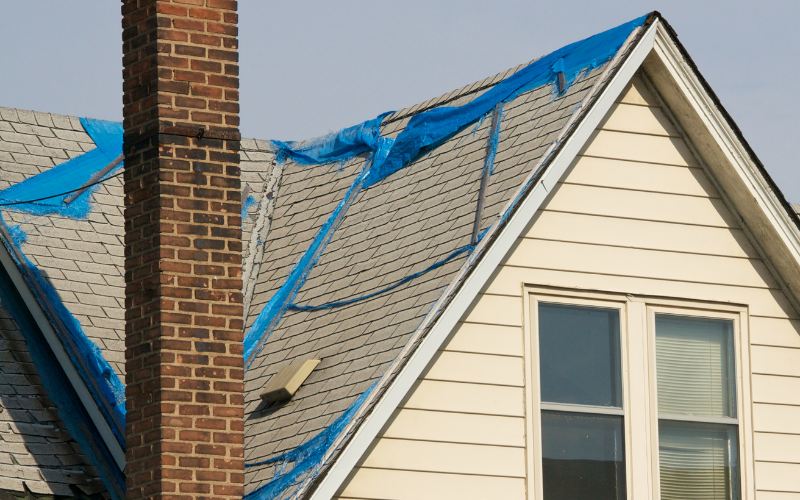
 It can be difficult to find a dream house, so many potential homeowners might be looking to save money by purchasing a home that they need to repair. Often referred to as a fixer-upper, this is a house that may require some extra work to restore to a livable condition. Not only is this a great opportunity to customize a home, but it could also be a valuable investment. At the same time, homeowners need to take out enough money to not only purchase the house but also cover the cost of repairs. How can potential homeowners decide what loan is best for a fixer-upper? There are a few options available.
Consider Taking Out An FHA 203(k) Mortgage
One option is something called an FHA 203(k) mortgage. This is a loan from the Federal Housing Administration that has been specifically designed to help potential homeowners who are purchasing a house that needs a significant amount of repairs. As long as the cost of the home and the estimated repairs do not exceed 110 percent of the appraised value of the home, homeowners should be able to take out this type of loan.
Borrowers have to put down at least 3.5 percent and they need to have a minimum credit score of 580. Then, applicants can place themselves in a position to get approved for this loan. Keep in mind that the total cost of the property has to be less than the FHA mortgage limit for that local area.
Look At A Fannie Mae HomeStyle Renovation Mortgage
Another option to consider is called the Fannie Mae HomeStyle Renovation Mortgage. This is a great option if the house requires major renovations. Borrowers can borrow money to cover potential repairs that are as high as half of the appraised value of the property. This could include energy efficiency enhancements, remodeling work, and repairs. As long as the repairs increase the value of the home, they should be covered by this mortgage. The loan will cover the cost of getting permits, hiring an architect, and purchasing materials. Even though this mortgage may be a bit more competitive, it also has a higher borrowing limit, opening more doors for homeowners.
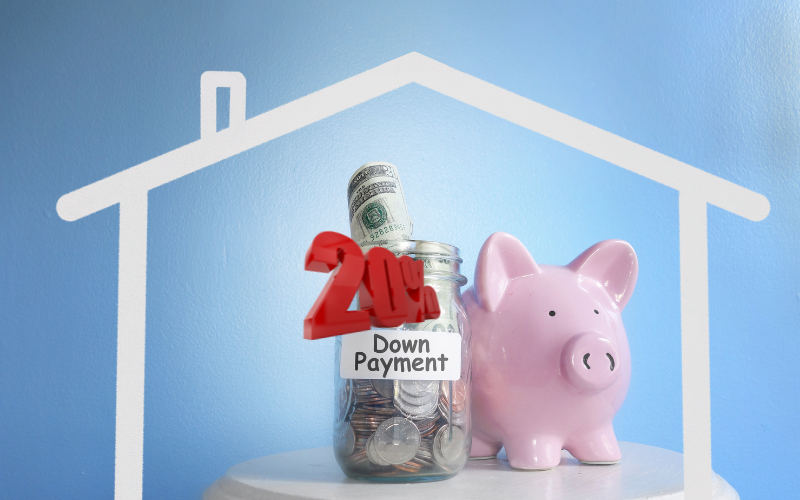 Purchasing a home is a major decision, and it could be the most expensive financial transaction somebody ever makes. Therefore, it is important to get this right. One of the biggest hurdles for a new homeowner is coming up with enough money for the down payment. A lot of people believe they require 20 percent down to purchase a home. Saving this amount of money can be overwhelming, and some people are wondering, is this really necessary? There are several key points to keep in mind.
