Envision Funding

We Close Loans Fast!

  • Home
  • About
    • About Us
    • Privacy Policy
  • Blog
  • Resources
    • First Time Home Buyer Tips
    • First Time Home Seller Tips
    • Closing Costs
    • Home Appraisal
    • Home Inspection
    • Loan Checklist
    • Loan Process
    • Loan Programs
    • Mortgage FAQ
    • Mortgage Glossary
    • Debt Solutions
  • Applications
    • Apply Now Short Form
    • Business Funding Full Application
    • Broker Registration
    • Real Estate Lending Quick Application
  • Loan Programs
    • Business Loans
    • Commercial Loans
  • Contact

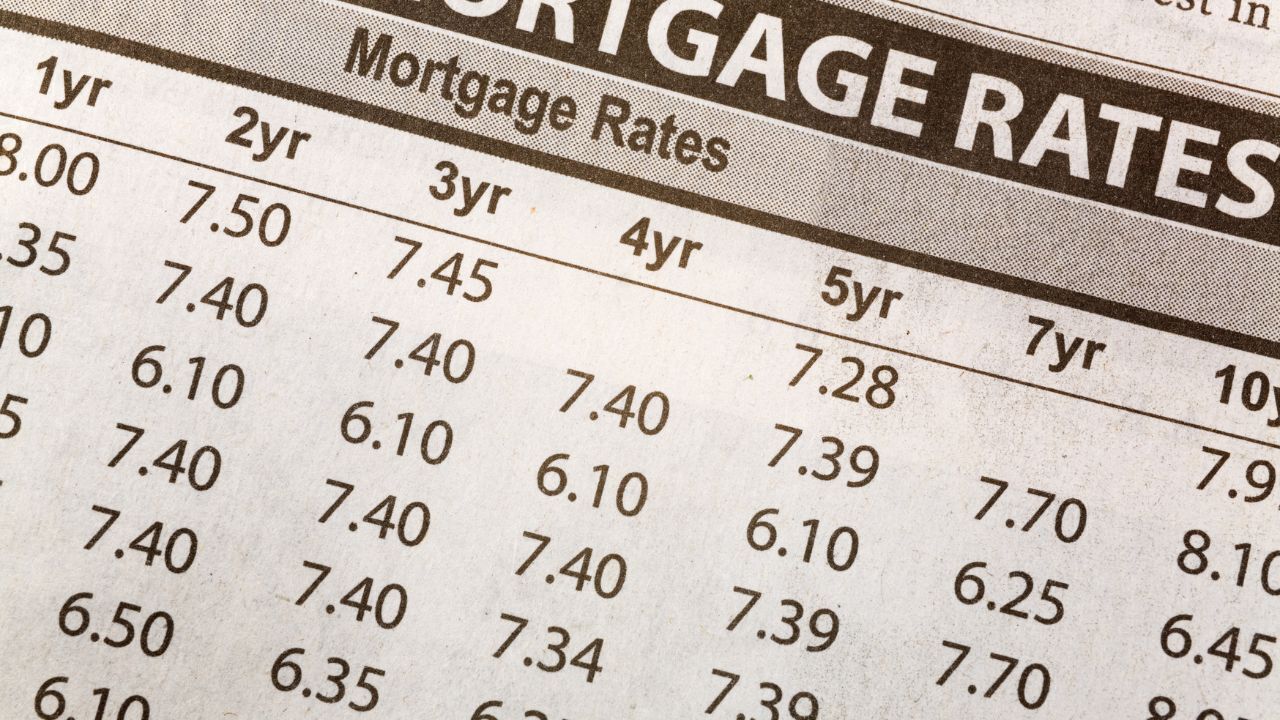
APR vs. Interest Rates

March 14, 2025 by Regine Lane

If you’re gearing up to dive into the world of real estate, there are a few key terms you’ll want to wrap your head around before taking the plunge. Today, we’re demystifying APR and interest rate, two crucial concepts that can impact your home-buying journey. Don’t worry, I’ll break it down in simple terms so you can confidently navigate the process like a pro.

Interest Rate:

Let’s start with the basics. The interest rate is the percentage charged by a lender for borrowing money to buy your home. It’s essentially the cost of borrowing the principal amount. When you’re comparing loan offers, you’ll often see this prominently displayed. A lower interest rate generally means lower monthly payments, which can be appealing, especially over the long term.

Annual Percentage Rate (APR):

Now, let’s add another layer of complexity with APR. APR includes not only the interest rate but also additional fees and costs associated with securing your mortgage. This could include things like origination fees, points, closing costs, and mortgage insurance premiums. Essentially, APR gives you a more comprehensive picture of the total cost of borrowing over the life of the loan.

So, what’s the big difference when it comes to buying a home?

Interest Rate is like looking at the sticker price of a car. It’s the upfront cost you’ll pay for borrowing money, expressed as a percentage.

APR, on the other hand, is more like the total cost of ownership of that car, including taxes, registration fees, and maintenance costs. It gives you a clearer picture of the overall cost of borrowing by factoring in those additional expenses.

Why does this matter in the context of buying a home?

Well, let’s say you’re comparing two mortgage offers:

·       Option A has a lower interest rate of 3.5%.

·       Option B has a slightly higher interest rate of 3.75%, but it includes points that lower the rate and have lower closing costs overall.

At first glance, Option A might seem like the better deal because of its lower interest rate. However, once you factor in all the additional costs included in the APR, Option B might end up being more affordable in the long run.

Understanding the difference between APR and interest rate empowers you to make informed decisions when comparing mortgage offers. It allows you to see beyond the headline numbers and consider the full financial picture.

So, as you prepare for your home-buying journey, remember to look beyond the interest rate and pay close attention to the APR. It could save you thousands of dollars over the life of your loan and ensure you’re making the best financial decision for your future.

Filed Under: Home Mortgage Tips Tagged With: APR, Home Mortgage, Interest Rates

What Sellers Need to Know About Becoming a Lender with Creative Financing

March 13, 2025 by Regine Lane

Creative financing can be an attractive option for sellers, especially those with significant equity. One popular approach is carrying back a second mortgage, where the seller effectively becomes a lender to help the buyer complete the purchase. While this can be a beneficial arrangement, it’s essential to understand the risks and the protections available, particularly regarding lender’s title insurance.

Why Consider Carrying Back a Second Mortgage?

Let’s say you own a home worth $150,000 that you’ve held for 15 years, and you have substantial equity built up. If you receive an offer from a buyer who can put down $20,000 and secure a $100,000 loan from a local lender, you might choose to finance the remaining $30,000. In this situation, you, as the seller, would be carrying back a note for that amount, essentially acting as a secondary lender.

Do You Need Lender’s Title Insurance?

Yes, you do. Anyone with an interest in a property, including sellers who carry back a second mortgage, should protect their investment with lender’s title insurance. By stepping into the role of a lender, you hold a record title interest in the property, which is worth safeguarding.

While your lien is secured by a recorded deed of trust, the lender’s title insurance offers a layer of protection against potential issues that could jeopardize your security interest in the property.

What Risks Does Lender’s Title Insurance Cover?

Financial institutions always secure title insurance to protect their investments, and as a seller-lender, you should do the same. Even if you know the property’s history and believe it’s free from issues like easements or boundary disputes, risks still exist—especially those related to human interactions and legal matters.

For instance, the buyer’s personal circumstances could impact your security. Events such as marriages, divorces, deaths, forged documents, money judgments, or unpaid state and federal taxes could affect the buyer’s ownership rights, making it challenging for you to collect your payments.

Example: Federal Tax Liens

A federal tax lien filed against your buyer before closing could wipe out your lien, leaving you without the security you thought you had. Experienced lenders are aware of such risks and use lender’s title insurance as a safeguard against these and other potential threats. Without this insurance, your investment could be at risk, even if your buyer appears financially stable and responsible.

Getting Facts About Lender’s Title Insurance

If you’re thinking about carrying back a second mortgage, make sure to gather all the information regarding lender’s title insurance. Your local title insurance company can explain the benefits and provide insights tailored to your situation. This protection can ensure that your investment remains secure, no matter what happens in the future.

Creative financing can be a powerful tool for sellers looking to close a deal and leverage their equity. It is crucial to approach this opportunity with the same caution that a financial institution would. Lender’s title insurance is not just an optional expense; it’s a smart investment in your financial future as a seller-lender.

Filed Under: Home Financing Tips Tagged With:  Creative Financing, Mortgage Tips, Seller Financing

  • « Previous Page
  • 1
  • …
  • 138
  • 139
  • 140
  • 141
  • 142
  • …
  • 312
  • Next Page »

Envision Funding
Private Money Lender
Call Today: 678-719-9669

Connect with Us!

Let’s Keep In Touch!

  • This field is for validation purposes and should be left unchanged.

Browse Articles by Category

The Latest Articles

  • How Preparing for Retirement Should Influence Your Mortgage Decisions
  • Applying for a Mortgage With Multiple Income Streams
  • What’s Ahead For Mortgage Rates This Week – April 13th, 2026
  • How Starting a Family Changes Your Mortgage Priorities
nmlsconsumeraccess.org
Equal Housing Lender

Envision Funding Solutions, Real Estate Loans, Kennesaw, GA

Our Location

Envision Funding Solutions LLC
3104 Creekside Village Dr, Ste 507 Kennesaw, GA 30144

Copyright © 2026 · Powered by MySMARTblog

Copyright © 2026 · Genesis Sample Theme on Genesis Framework · WordPress · Log in