Envision Funding

We Close Loans Fast!

  • Home
  • About
    • About Us
    • Privacy Policy
  • Blog
  • Resources
    • First Time Home Buyer Tips
    • First Time Home Seller Tips
    • Closing Costs
    • Home Appraisal
    • Home Inspection
    • Loan Checklist
    • Loan Process
    • Loan Programs
    • Mortgage FAQ
    • Mortgage Glossary
    • Debt Solutions
  • Applications
    • Apply Now Short Form
    • Business Funding Full Application
    • Broker Registration
    • Real Estate Lending Quick Application
  • Loan Programs
    • Business Loans
    • Commercial Loans
  • Contact

Understanding Debt-to-Income Ratio: A Key Factor in Mortgage Approval

March 1, 2024 by Regine Lane

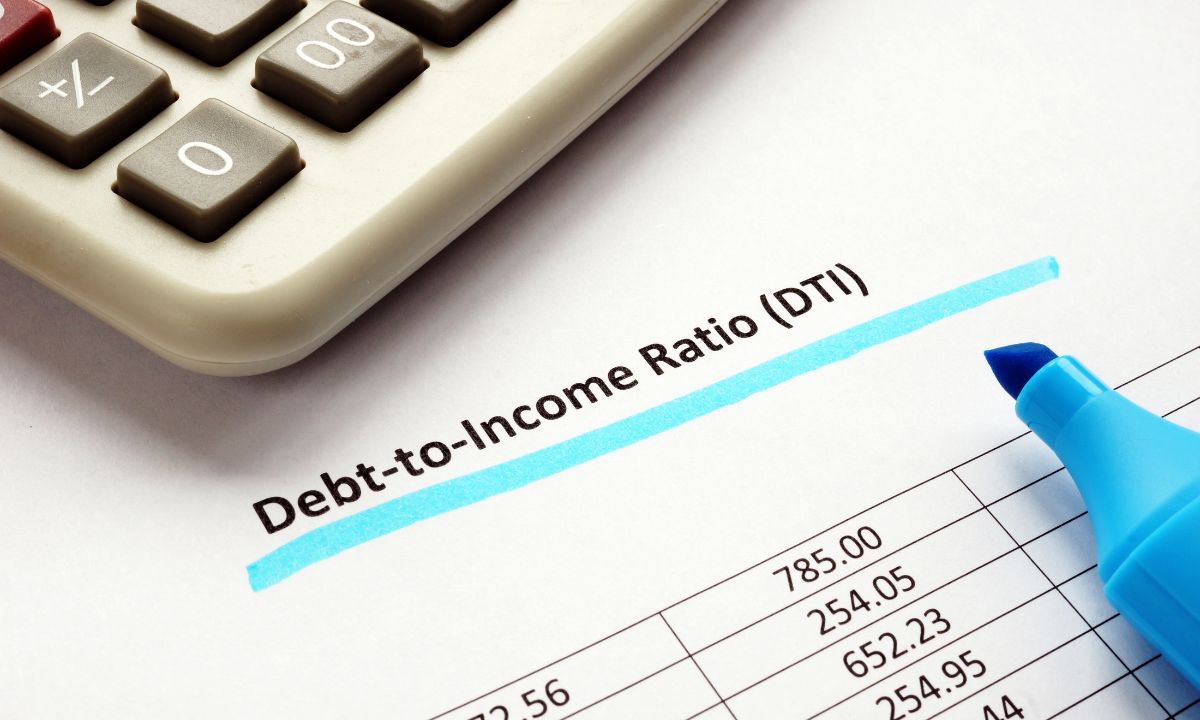
When it comes to securing a mortgage for your dream home, there’s a crucial number that can make or break your application: your debt-to-income ratio (DTI). Understanding and managing your DTI is essential for navigating the mortgage approval process smoothly. Let’s delve into what DTI is, why it matters, and how you can calculate it.

What is Debt-to-Income Ratio (DTI)?

Your debt-to-income ratio is a financial metric that compares your monthly debt payments to your gross monthly income. Lenders use DTI as a measure of your ability to manage your monthly payments and repay debts promptly. It helps them assess the level of risk involved in lending to you.

Why Does DTI Matter in Mortgage Approval?

Lenders consider your DTI alongside other financial factors when evaluating your mortgage application. A high DTI indicates that a significant portion of your income goes toward paying off debts, leaving you with less disposable income to cover mortgage payments. This can raise concerns about your ability to handle additional debt responsibly.

A low DTI, on the other hand, suggests that you have a healthier financial profile with more room in your budget to accommodate mortgage payments. Lenders typically prefer borrowers with lower DTI ratios, as they are perceived as less risky and more likely to make timely mortgage payments.

How to Calculate Your DTI:

Calculating your DTI involves two simple steps:

Add Up Your Monthly Debt Payments: This includes payments for items such as credit cards, student loans, car loans, personal loans, and any other outstanding debts.

Calculate Your Gross Monthly Income: This includes all sources of income before taxes and other deductions.

Once you have these figures, divide your total monthly debt payments by your gross monthly income, then multiply the result by 100 to get your DTI percentage.

Understanding the Numbers:

Ideal DTI: In general, lenders prefer DTI ratios below 43%. However, some lenders may accept higher ratios depending on other factors such as credit score, employment history, and savings.

Front-End vs. Back-End DTI: Front-end DTI only considers housing-related expenses (mortgage, property taxes, homeowner’s insurance, etc.), while back-end DTI includes all debts.

Impact on Mortgage Approval: A lower DTI increases your chances of mortgage approval and may even help you qualify for better interest rates and loan terms.

Tips for Improving Your DTI:

Reduce Debt: Pay off outstanding debts or consider consolidating them to lower your monthly payments.

Increase Income: Look for opportunities to boost your income through a salary raise, side hustles, or additional sources of revenue.

Avoid Taking on New Debt: Refrain from applying for new credit cards or loans before applying for a mortgage, as it can increase your DTI and affect your eligibility.

Your debt-to-income ratio plays a pivotal role in determining your eligibility for a mortgage. By understanding how DTI works and taking steps to manage it effectively, you can improve your chances of securing a mortgage with favorable terms. Remember, a lower DTI not only strengthens your mortgage application but also reflects a sound financial foundation for homeownership. Take control of your finances today to pave the way for your future home sweet home.

Filed Under: Credit Scoring Tagged With: Credit Score, Debt to Income, Mortgage

Exploring the Pros and Cons of Using Personal Loans and Refinancing for Home Renovations

February 27, 2024 by Regine Lane

Undertaking home renovations can be an exciting endeavor, whether you’re looking to enhance your living space, increase property value, or simply modernize your home. However, financing these projects can often pose a significant challenge. While personal loans and refinancing are popular options for funding renovations, it’s important to weigh the advantages and disadvantages before deciding.

Personal Loans Pros:

Accessibility: Personal loans are typically easier to obtain compared to other forms of financing, such as home equity loans or lines of credit.

No Collateral Required: Unlike home equity loans which use your home as collateral, personal loans are unsecured. This means you don’t have to put your home or other assets at risk to secure the loan.

Flexible Use of Funds: Personal loans offer flexibility in how you can use the funds. Whether you’re renovating your kitchen, or upgrading your landscaping, personal loans can cover various home improvement projects without restrictions.

Fixed Interest Rates: Many personal loans come with fixed interest rates, providing stability and predictability in your monthly payments.

Personal Loans Cons:

Higher Interest Rates: Compared to secured loans like home equity loans, personal loans often come with higher interest rates, especially for borrowers with average or below-average credit scores.

Loan Limits: Personal loans typically have lower borrowing limits compared to home equity loans.

Shorter Repayment Terms: Personal loans often come with shorter repayment terms compared to other types of loans.

Impact on Credit Score: Taking out a personal loan can impact your credit score, especially if you already have existing debt or a high credit utilization ratio.

Refinancing Pros:

Lower Interest Rates: Refinancing your mortgage allows you to take advantage of lower interest rates, which can significantly reduce your overall borrowing costs.

Extended Repayment Terms: Refinancing can also extend your repayment terms, resulting in lower monthly payments and improved cash flow.

Consolidation of Debt: Refinancing provides an opportunity to consolidate high-interest debt, such as credit cards or personal loans, into your mortgage.

Tax Benefits: Mortgage interest payments are often tax-deductible, providing potential tax benefits for homeowners who refinance.

Refinancing Cons:

Closing Costs: Refinancing typically involves closing costs, which can include application fees, appraisal fees, and other expenses. These upfront costs can add thousands of dollars to the total cost of refinancing and may take time to recoup through lower monthly payments.

Longer Loan Term: While extending your repayment terms through refinancing can lower your monthly payments, it also means paying interest for a longer period.

Equity Reduction: Refinancing can reset the clock on your mortgage, potentially reducing the equity you’ve built up in your home. If you’re planning to sell your home soon, consider how refinancing may impact your equity position and overall financial goals.

Credit Score Impact: Applying for a refinance can temporarily impact your credit score, as lenders will perform a hard inquiry on your credit report.

When considering financing options for your home renovations, both personal loans and refinancing offer distinct advantages and disadvantages. Personal loans provide accessibility and flexibility, while refinancing offers the potential for lower interest rates and extended repayment terms. Ultimately, the decision depends on your financial situation, renovation goals, and long-term objectives.

If you’re unsure about which option is best for you, it’s advisable to consult with a financial advisor or mortgage professional who can provide personalized guidance based on your individual circumstances.


Filed Under: Mortagage Tips Tagged With: Mortgage, Personal Loan, Renovations

  • « Previous Page
  • 1
  • …
  • 31
  • 32
  • 33
  • 34
  • 35
  • …
  • 259
  • Next Page »

Envision Funding
Private Money Lender
Call Today: 678-719-9669

Connect with Us!

Let’s Keep In Touch!

  • This field is for validation purposes and should be left unchanged.

Browse Articles by Category

The Latest Articles

  • How Starting a Family Changes Your Mortgage Priorities
  • Managing Your Mortgage During a Temporary Income Reduction
  • When a Cash-Out Refinance Makes Financial Sense
  • Buying a Home As a Single Income Household
nmlsconsumeraccess.org
Equal Housing Lender

Envision Funding Solutions, Real Estate Loans, Kennesaw, GA

Our Location

Envision Funding Solutions LLC
3104 Creekside Village Dr, Ste 507 Kennesaw, GA 30144

Copyright © 2026 · Powered by MySMARTblog

Copyright © 2026 · Genesis Sample Theme on Genesis Framework · WordPress · Log in