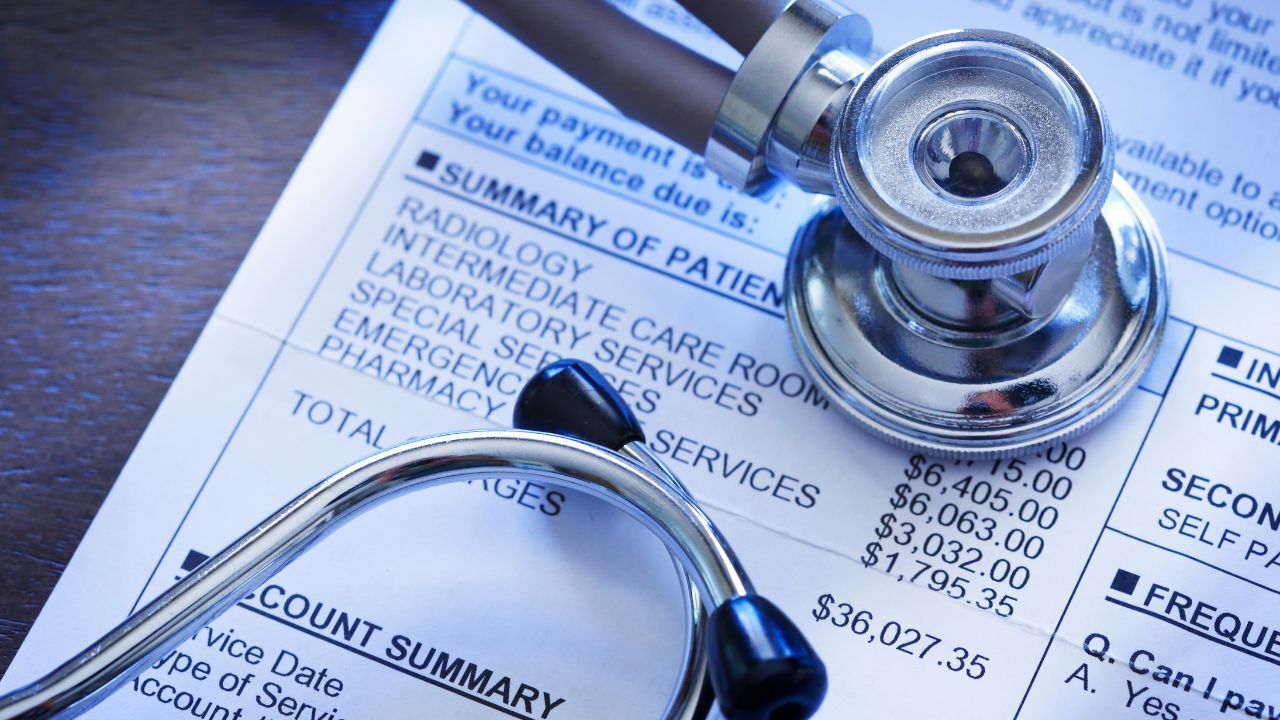
 Medical bills are one of the most common reasons people face unexpected debt, and many borrowers are surprised when they see a medical collection appear on their credit report. Even though medical debt is often caused by emergencies rather than irresponsible spending, it can still impact your mortgage application. Understanding how lenders view medical collections can help you prepare, protect your credit, and move confidently toward homeownership.
Know How Medical Collections Appear on Your Credit Report
Medical bills usually start with your healthcare provider, then move to a collection agency if they go unpaid. Once the account goes to collections, it can show up on your credit report. In some cases, medical collections do not immediately include a credit score penalty, but the presence of the account can still raise questions during underwriting. Even if the medical debt is not your fault, lenders look at your credit history as a whole when reviewing your application.
Understand How Lenders Treat Paid vs Unpaid Collections
Many lenders treat medical collections differently from other debts, and that is good news for homebuyers. Paid medical collections often carry less weight, and some loan programs may ignore paid medical debt entirely. Unpaid medical collections may still cause concerns, especially if the amounts are large or recent. Paying off or settling the debt before applying for a mortgage can improve your overall credit profile and reduce questions from underwriters.
Review the Impact on Your Credit Score
Medical collections can lower your credit score depending on how long the account has been in collections and whether it has been paid. A lower score can affect the interest rate you receive or your ability to qualify for certain loan programs. Even though new credit rules have reduced the impact of medical debt, it can still drag down your score if the collection has been on your report for a long time. Monitoring your credit early can help you catch issues before they impact your loan.
Check for Errors and Disputes
Medical billing errors are common, and many medical collections show up because of incorrect charges or insurance delays. Before applying for a mortgage, pull your credit reports and check for mistakes. If you find inaccurate medical debt, you can dispute it with the credit bureaus to have it corrected or removed. Removing an incorrect collection can boost your score, and it can remove unnecessary concerns from the underwriting process.
Strengthen Your Application if a Medical Collection Is Present
If you have a medical collection on your report, you can still qualify for a mortgage. Lenders often look at the story behind the debt, especially when it relates to health issues. Providing explanations, showing consistent payment history on other accounts, or demonstrating improved financial habits can strengthen your file.
Making timely payments, lowering credit card balances, and reducing other debts can also help offset the impact of a medical collection.
Medical collections may cause a temporary setback, but they do not prevent you from becoming a homeowner. By reviewing your credit early, addressing errors, paying or settling debt when possible, and building strong financial habits, you can move through the mortgage process with confidence and clarity.
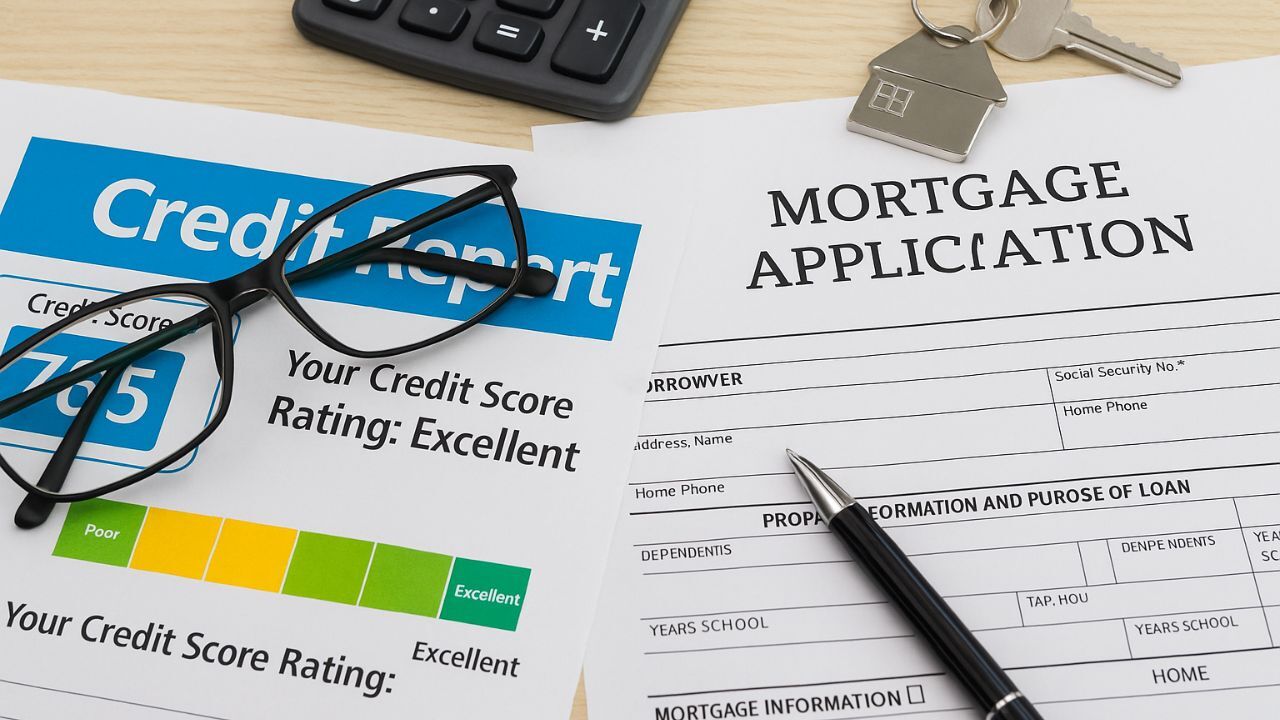 When preparing to apply for a mortgage, it is important to understand how credit inquiries can impact your chances of approval. Lenders use your credit report to assess risk, and every inquiry can play a role in how they view your financial stability. By knowing the difference between soft and hard inquiries, borrowers can make smarter decisions and protect their credit scores during the home buying process.
