
Envision Funding

We Close Loans Fast!

  • Home
  • About
    • About Us
    • Privacy Policy
  • Blog
  • Resources
    • First Time Home Buyer Tips
    • First Time Home Seller Tips
    • Closing Costs
    • Home Appraisal
    • Home Inspection
    • Loan Checklist
    • Loan Process
    • Loan Programs
    • Mortgage FAQ
    • Mortgage Glossary
    • Debt Solutions
  • Applications
    • Apply Now Short Form
    • Business Funding Full Application
    • Broker Registration
    • Real Estate Lending Quick Application
  • Loan Programs
    • Business Loans
    • Commercial Loans
  • Contact

How Mortgage Amortization Works

March 19, 2025 by Regine Lane

When you take out a mortgage, you commit to a long-term financial obligation. Understanding mortgage amortization can help you make informed decisions about your loan and how your payments impact your financial future.

What is Mortgage Amortization?

Mortgage amortization refers to the process of gradually paying off your loan over time through fixed monthly payments. Each payment is divided into two parts:

  1. Principal: The portion that goes toward reducing your loan balance.
  2. Interest: The amount paid to the lender for borrowing the money.

At the start of your loan, a larger percentage of your payment goes toward interest. Over time, as the loan balance decreases, more of your payment is applied to the principal, helping you build home equity.

How Mortgage Amortization Works

Your lender calculates your monthly mortgage payment using an amortization schedule, which outlines how much of each payment goes toward principal and interest over the life of the loan.

For example, if you take out a 30-year fixed mortgage, your payments remain consistent, but the way they are allocated changes over time. In the early years, most of your payment goes toward interest, while in later years, more goes toward reducing your loan balance.

Factors That Affect Amortization

Several factors impact your mortgage amortization schedule, including:

  • Loan Term: A 15-year loan pays off faster than a 30-year loan, but the monthly payments are higher.
  • Interest Rate: A lower interest rate means less of your payment goes toward interest.
  • Extra Payments: Making additional principal payments can help reduce your loan balance faster and save you thousands in interest.

Benefits of Understanding Amortization

  • Helps you see how much interest you’ll pay over the life of the loan.
  • Allows you to plan for early payoff by making extra payments.
  • Provides insight into how quickly you build home equity.

How to Pay Off Your Mortgage Faster

  1. Make Extra Principal Payments: Even small additional payments reduce interest costs.
  2. Biweekly Payments: Making half payments every two weeks results in one extra full payment per year.
  3. Refinancing: If rates drop, refinancing to a shorter loan term can accelerate payoff.
  4. Round Up Payments: Rounding up to the nearest hundred can shorten your loan term without a big impact on your budget.

Mortgage amortization is a key concept every homeowner should understand. Knowing how your payments are structured allows you to plan ahead, reduce interest costs, and even pay off your loan faster. Whether you’re just starting your homeownership journey or looking to optimize your mortgage, understanding amortization can help you make the best financial decisions.
Filed Under: Mortgage Tips Tagged With: Home Loans, Mortgage Amortization, Mortgage Tips

How to Refinance Your Mortgage

January 24, 2025 by Regine Lane

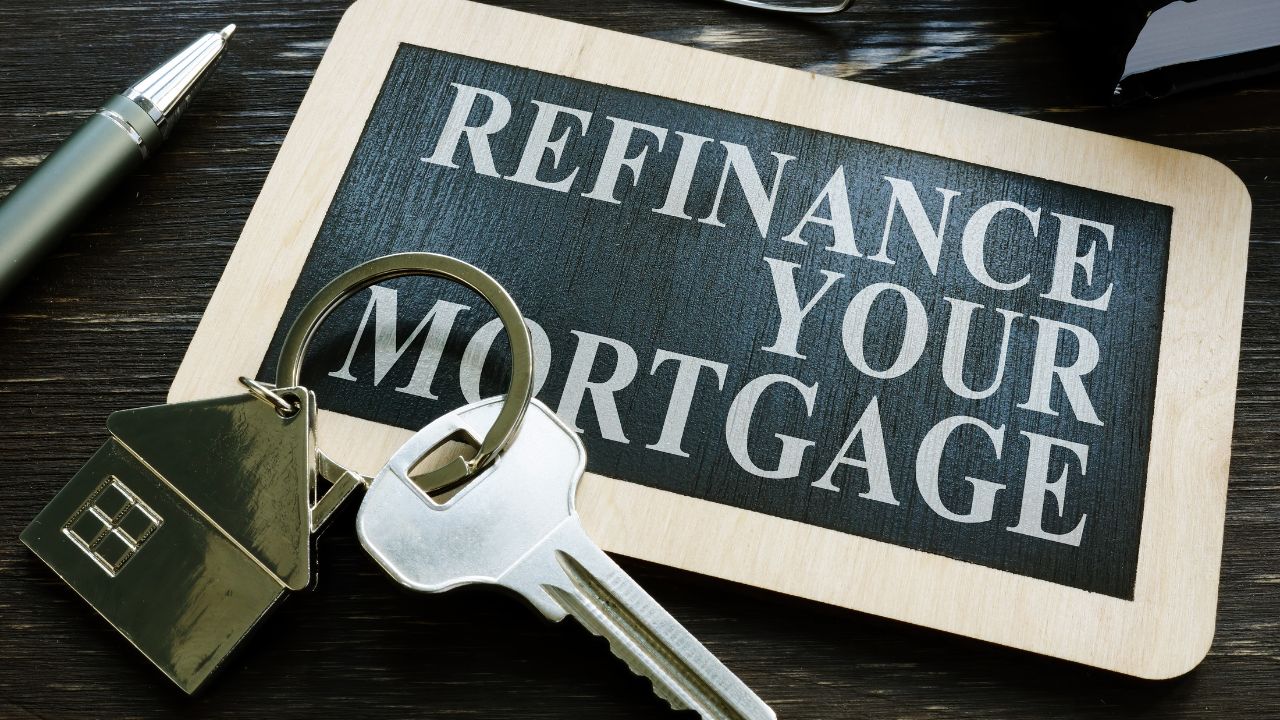
Refinancing your mortgage can be a strategic financial decision, enabling you to save money, access home equity, or adjust your loan terms to better suit your current financial situation. Here’s a detailed guide to help you understand the process and determine if refinancing is the right move for you.

What is Refinancing?

Refinancing involves replacing your existing mortgage with a new one, often with the goal of:

  • Securing a lower interest rate.

  • Adjusting the loan term, either shortening or extending it.

  • Switching from an adjustable-rate mortgage (ARM) to a fixed-rate loan for more predictable payments.

  • Accessing home equity for major expenses like renovations, education, or debt consolidation.

It’s important to clearly define your financial goals before starting the refinancing process.

Steps to Refinance Your Mortgage

1. Review Current Interest Rates

One of the primary reasons homeowners refinance is to take advantage of lower interest rates. Even a small reduction in your rate can lead to significant savings over the life of your loan. For example, lowering your rate from 5 percent to 3.5 percent on a $250,000 loan could save you over $200 a month.

2. Evaluate Your Financial Health

Lenders will assess your financial profile to determine your eligibility for refinancing. Key factors include:

  • Credit Score: A strong credit score (typically 700 or higher) can help you qualify for the best rates.

  • Debt-to-Income (DTI) Ratio: Lenders prefer a DTI ratio under 43 percent, showing you can manage additional debt.

  • Home Equity: Most lenders require at least 20 percent equity in your home for a traditional refinance.

3. Compare Lenders and Offers

Not all lenders provide the same rates or terms, so it’s essential to shop around. Some lenders might offer lower closing costs, while others may provide better interest rates. A mortgage broker can help compare multiple options to find the best fit for your needs.

4. Understand the Costs

Refinancing comes with upfront expenses, including:

  • Closing Costs: These typically range from 2 to 5 percent of the loan amount.

  • Appraisal Fees: A new appraisal may be required to determine the current market value of your home.

  • Prepayment Penalties: Check if your current mortgage has fees for paying off the loan early.

Ensure that the potential savings from refinancing outweigh the costs. A good rule of thumb is to refinance if you plan to stay in the home long enough to recoup these expenses.

5. Gather the Necessary Documentation

To streamline the application process, have the following documents ready:

  • Pay stubs and W-2 forms or tax returns.

  • Recent bank statements.

  • Proof of homeowners insurance.

  • Information about your current mortgage.

6. Close the Loan

Once approved, you’ll finalize the new mortgage by signing the loan documents and paying any applicable closing costs. Your new lender will pay off your old mortgage, and your refinancing journey will be complete.

Benefits of Refinancing

Refinancing can offer several advantages, including:

  • Lower Monthly Payments: Reducing your interest rate or extending your loan term can make monthly payments more affordable.

  • Faster Loan Payoff: Switching to a shorter loan term allows you to pay off your mortgage faster, potentially saving thousands in interest.

  • Access to Equity: A cash-out refinance can provide funds for major expenses or debt consolidation.

Is Refinancing Right for You?

Refinancing can be an excellent financial tool, but it’s not suitable for everyone. Consider factors such as your financial goals, the costs of refinancing, and how long you plan to stay in your home.

Give us a call to explore your options and determine if refinancing is the right choice for your situation.

Filed Under: Mortgage Tips Tagged With: Home Finance, Mortgage Refinance, Refinance Tips

  • « Previous Page
  • 1
  • …
  • 51
  • 52
  • 53
  • 54
  • 55
  • …
  • 92
  • Next Page »

Envision Funding
Private Money Lender
Call Today: 678-719-9669

Connect with Us!

Let’s Keep In Touch!

  • This field is for validation purposes and should be left unchanged.

Browse Articles by Category

The Latest Articles

  • How Credit Score Changes Impact Your Loan Pricing
  • Using Home Equity Strategically Without Over-Leveraging
  • Income Stability Matters More Than Rate Shopping
  • The Psychology of Waiting Too Long to Buy
nmlsconsumeraccess.org
Equal Housing Lender

Envision Funding Solutions, Real Estate Loans, Kennesaw, GA

Our Location

Envision Funding Solutions LLC
3104 Creekside Village Dr, Ste 507 Kennesaw, GA 30144

Copyright © 2026 · Powered by MySMARTblog

Copyright © 2026 · Genesis Sample Theme on Genesis Framework · WordPress · Log in