Envision Funding

We Close Loans Fast!

  • Home
  • About
    • About Us
    • Privacy Policy
  • Blog
  • Resources
    • First Time Home Buyer Tips
    • First Time Home Seller Tips
    • Closing Costs
    • Home Appraisal
    • Home Inspection
    • Loan Checklist
    • Loan Process
    • Loan Programs
    • Mortgage FAQ
    • Mortgage Glossary
    • Debt Solutions
  • Applications
    • Apply Now Short Form
    • Business Funding Full Application
    • Broker Registration
    • Real Estate Lending Quick Application
  • Loan Programs
    • Business Loans
    • Commercial Loans
  • Contact
Block
Envision Funding Solutions
We are here for your business and family needs.
Now offering residential mortgages!
Schedule a Consultation
home icon
Interested in Purchasing a Home?
Fill out this form and we'll be in touch
Refinance icon
Interested in Refinancing?
Fill out this form and we'll be in touch
calculator
Get a Rate Quote
Want a quick quote? Fill out this form
Application
Business Funding Full Application
Ready to get started? Click here!

5 Important Questions to Ask When Buying New Construction

May 5, 2023 by Regine Lane

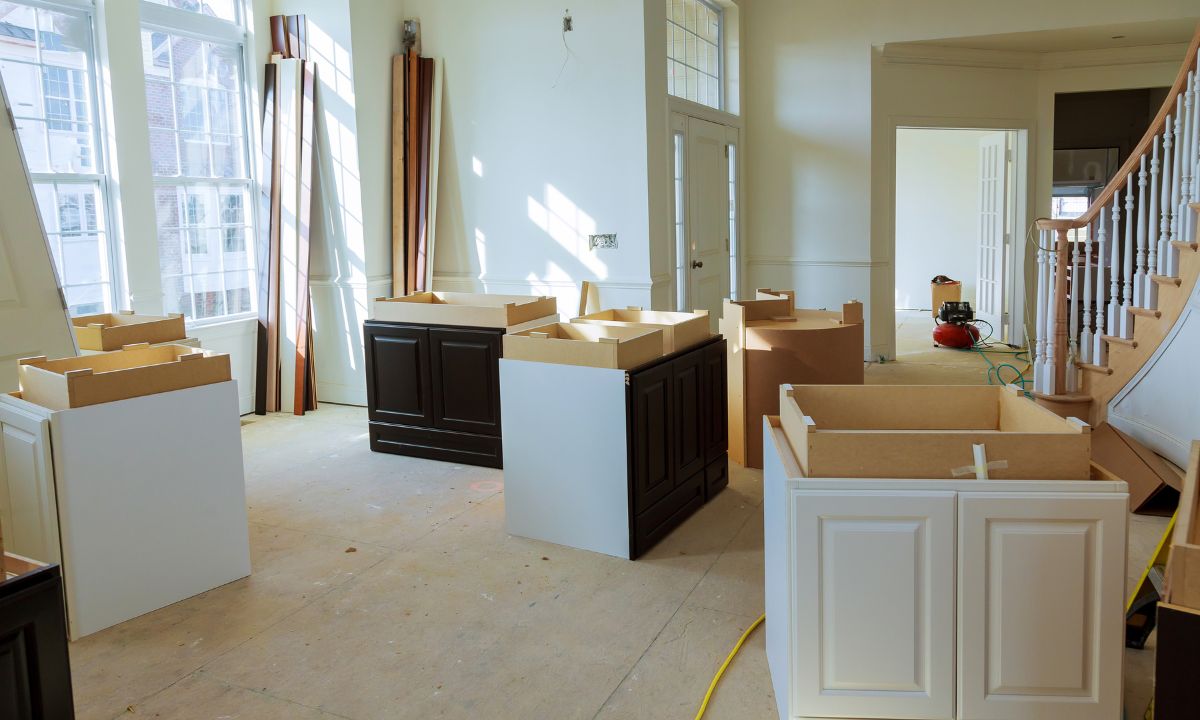
Questions to Ask When Buying New ConstructionBuying a new home is exciting. Buying a brand new home can be even more so with the realization of being the first owner and possibly being able to choose your own layout and finishes. The prospect of owning new construction is definitely exciting, but it doesn’t come without its own set of questions.

If you’re in the market for a new home, and considering new construction, make note of the questions below when you begin your property search.

What Are The Long Term Plans For The Community?

Unless you’re looking at custom homes on acreage, it’s likely new construction in your area will be located in a new development or in a master planned community. With this in mind, feel free to ask about the plans for the community.

If it’s a large area, find out if any subdivisions are planned. If there are only a few houses built so far, it’s likely to mean lots of construction in the months to come – which means a lot of noise and construction traffic.

Also ask about the builder. If they’re well known and respected, it’s unlikely they’ll lose funding and the community will then continue on as planned.

What Are The Homeowners Association’s Rules And Regulations?

Many new developments and master planned communities come with a set of rules and regulations set by a homeowners association. If you’ve never lived in a community with an HOA, it’s important to find out the rules before investing in it.

The bylaws and the CC&Rs will let you know what is and isn’t allowed in the community (especially when it comes to the exterior of your home). You’ll also want to find out when the HOA fee begins – in some communities, it can start before the home is even finished.

Are There Any Buyer Or Financial Incentives?

If the community or development is still in the early stages, there might be incentives (like a buyer discount, builder upgrades or other financial incentives or freebies) for buyers.

Sometimes these offers come with a catch – where something is expected from the buyer in return for the incentive – but it’s important to ask about any offers that may be available, especially if the community is still up and coming.

Are Warranties Provided?

New homes often come with different warranties. Ask if a workmanship and structural warranty come with the home.

A workmanship warranty (or builder’s warranty) is a warranty for newly constructed homes that offer limited coverage on workmanship and components of the home like windows, siding, roofs, doors, plumbing, electrical and HVAC. Traditionally, a workmanship warranty will cover a one or two year period; another likely warranty is a structural warranty, which covers the structure of a home.

If a warranty is provided, make sure you know exactly what is and isn’t covered and how much you’re responsible for in case of any issues.

Can you connect me with some current homeowners?

Just as you would check reviews before buying an item online or booking a service, the same can be said for a home builder. Just because the product is a shiny new home doesn’t mean you shouldn’t do your due diligence and check references before making a large investment.

While it’s likely that the builder will provide glowing reviews, checking reference and review websites and even knocking on the doors of current homeowners will provide additional information and give you a wider understanding of the builder and its practices. Talking to current homeowners will provide information about the actual community.

New construction is exciting, but you want to make sure you have all pertinent information before you go through with a home purchase. Your real estate professional will be able to help navigate the waters of new construction. 

Filed Under: Home Buyer Tips Tagged With: Home Buyer, New Construction, Questions to ask

How the Purchase and Refinance Mortgage Process Works

May 4, 2023 by Regine Lane

How the Purchase and Refinance Mortgage Process WorksThe purchase and refinance mortgage processes are similar in many ways, but there are also some important differences. Here is a general overview of how each process typically works:

Purchase Mortgage Process

Determine your budget: Before you start shopping for a home, you need to figure out how much you can afford to spend. You can do this by calculating your monthly income, expenses, and debt, and getting pre-approved for a mortgage.

Find a property: Once you know your budget, you can start looking for homes that fit your criteria, whether that’s size, location, or other factors.

Make an offer: When you find a property you like, you can make an offer to buy it. This offer will include the price you’re willing to pay and any contingencies, such as inspections or financing.

Get a mortgage: If your offer is accepted, you’ll need to apply for a mortgage loan to pay for the property. You’ll need to provide documentation about your income, assets, and credit history.

Close the loan: Once your mortgage is approved, you’ll need to attend a closing to finalize the sale. This involves signing a lot of paperwork and paying closing costs, such as appraisal fees and title insurance.

Refinance Mortgage Process

Determine your goals: Before you start the refinance process, you need to determine why you want to refinance. Some common reasons include lowering your monthly payments, shortening your loan term, or cashing out equity.

Gather documentation: To refinance, you’ll need to provide documentation about your income, assets, and credit history, just like you did when you applied for your original mortgage.

Choose a lender: Once you have your documentation in order, you can start shopping around for a lender who offers the type of refinance you want, such as a rate-and-term refinance or a cash-out refinance.

Apply for the loan: After you choose a lender, you’ll need to submit a loan application and provide documentation to support your refinance goals.

Close the loan: Once your refinance is approved, you’ll need to attend a closing to finalize the loan. This involves signing paperwork and paying closing costs, such as appraisal fees and title insurance.

The purchase and refinance mortgage processes involve similar steps, but the specifics can vary depending on your situation and the type of loan you’re applying for. It’s important to work with a trusted lender who can guide you through the process and help you make informed decisions about your mortgage.

What are the Differences Between Purchasing and Refinancing a Home

While purchasing a home and refinancing a home both involve obtaining a mortgage, there are several key differences between the two processes. The primary goal of purchasing a home is to buy a property to live in or as an investment. The primary goal of refinancing a home is to replace an existing mortgage with a new one that offers more favorable terms.

The purchase process involves finding a property, making an offer, and going through the home buying process. Refinancing involves working with an existing mortgage lender or a new lender to replace an existing mortgage with a new one.

The timing of a home purchase is largely determined by the real estate market and the availability of properties that meet the buyer’s criteria. The timing of a refinance is largely determined by the borrower’s financial goals and the current interest rate environment.

Ultimately, the best decision for you will depend on your individual financial situation and goals. It is recommended to reach out to a real estate agent or mortgage originator who can provide personalized advice and guidance based on your specific needs and circumstances.

Filed Under: Mortgage Tagged With: Budgeting, Mortgage, Refinance

  • « Previous Page
  • 1
  • …
  • 341
  • 342
  • 343
  • 344
  • 345
  • …
  • 913
  • Next Page »

Envision Funding
Private Money Lender
Call Today: 678-719-9669

Connect with Us!

Let’s Keep In Touch!

  • This field is for validation purposes and should be left unchanged.

Browse Articles by Category

The Latest Articles

  • What’s Ahead For Mortgage Rates This Week – February 2nd, 2026
  • Tips to Remember When Shopping for a New Home Loan
  • Why Co-Signing a Car Loan Can Affect Your Mortgage Application
  • Mortgage Tips for Recent Graduates Entering the Workforce
nmlsconsumeraccess.org
Equal Housing Lender

Envision Funding Solutions, Real Estate Loans, Kennesaw, GA

Our Location

Envision Funding Solutions LLC
3104 Creekside Village Dr, Ste 507 Kennesaw, GA 30144

Copyright © 2026 · Powered by MySMARTblog

Copyright © 2026 · Genesis Sample Theme on Genesis Framework · WordPress · Log in